Why Food Is the First Thing Immigrants Miss, and the Last Thing We Solve
Ebenezer Oyinlade
December 12, 2025
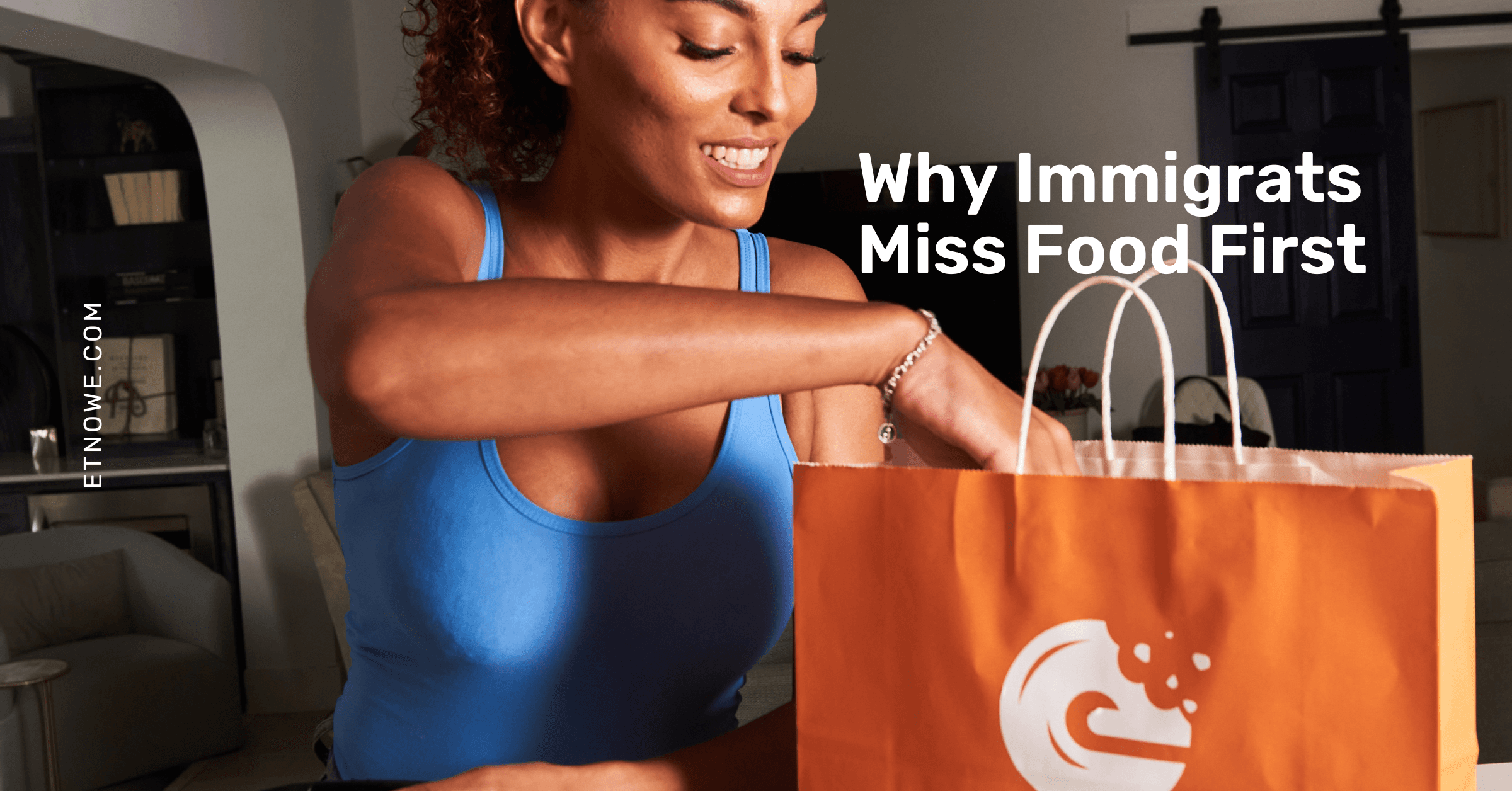
When people talk about immigration, they often focus on opportunity like new careers, better education, or economic mobility. What doesn’t get talked about enough are the quiet gaps that remain long after you’ve “settled in.”
For me, one of those gaps appeared during a very personal moment.
My wife was pregnant, and I took full responsibility for our errands. Grocery shopping became my job. This was right after COVID, when major chains like Walmart and Target had just rolled out pickup at scale. It was efficient. Predictable. Convenient.
Until it wasn’t.
As Africans, grocery shopping doesn’t end at big-box stores. You can’t conclude you’ve eaten well for the week without elubo, kuli kuli, yam, palm oil, and the ingredients that define our meals. That’s when the gap became clear.
All the convenience I enjoyed disappeared the moment I needed to shop African groceries.
There was no pickup. No delivery. No alternative. The only option was long drives, long lines, and long shopping lists. The technology existed, but not for us.
My career path reflected the mindset many immigrants adopt early on: survival and stability. I moved through customer support into tech support, database administration, and eventually security engineering. In 2017, I founded my first startup, TeyeMatics Inc, focused on professional IT training, business development, application development, and business intelligence.
Even as my professional life advanced, one problem stayed unsolved. Convenient access to African and Caribbean groceries remained difficult. This wasn’t just my experience, it was shared.
Across immigrant communities, access to culturally familiar groceries is still uneven. Delivery platforms may carry restaurants, but groceries, the foundation of daily cooking, are often overlooked. Even when available, the experience isn’t designed for how people shop, and the cost is frequently higher.
ETNOWE grew out of a simple realization: accessibility matters as much as availability.
When we launched the ETNOWE mobile app three years ago, starting in Maryland, the goal wasn’t hype, it was solving a real problem. Making ethnic groceries accessible through delivery in a way that works for everyday people. As we expanded into Texas, Indiana, and Georgia, that focus didn’t change.
While many ethnic restaurants exist on other platforms, they’re not built for the cultural experience. More importantly, they’re often more expensive. On average, ETNOWE orders are about 20% cheaper because affordability is part of the design.
ETNOWE isn’t just about delivering food. It’s about removing friction, reducing cost, and making access feel normal, not like a luxury.
Food remains one of the strongest emotional ties immigrants have to home. Solving for it requires empathy, intention, and systems built with people in mind, and that’s what we’re building at ETNOWE.
If this story resonates, experience what we’re building.
On iPhone? Download the ETNOWE app on the Apple App Store. On Android? Get the ETNOWE app on Google Play.
Reconnect with the groceries and meals that feel like home, without the extra cost or distance.